
Description
Product Overview
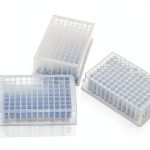
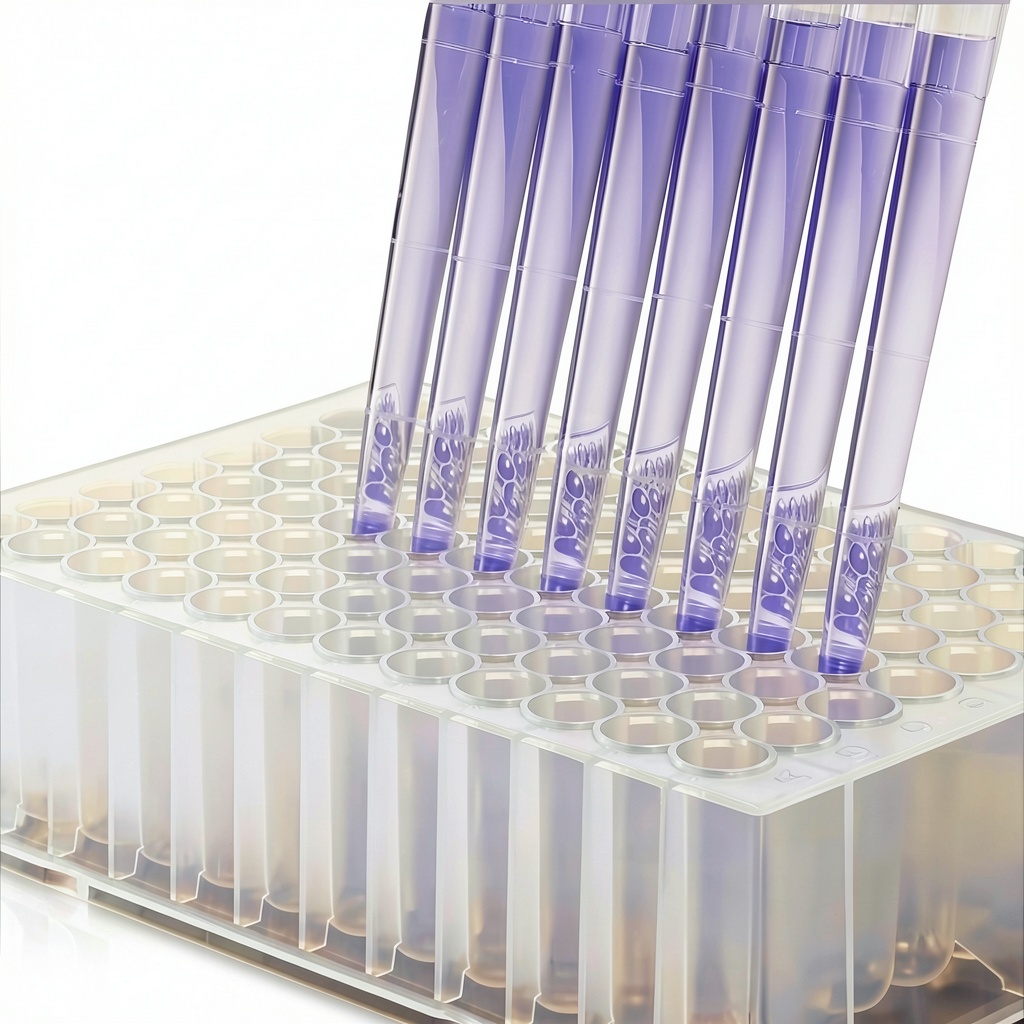
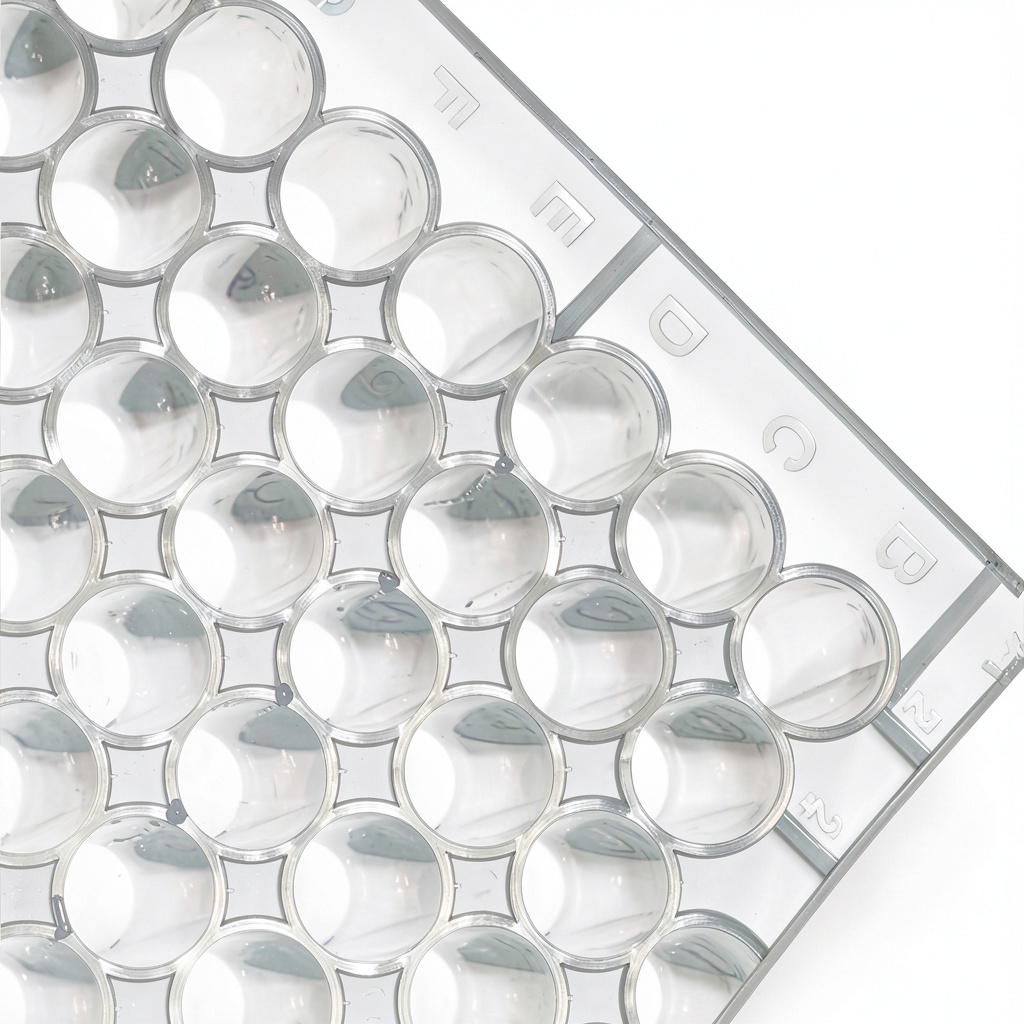
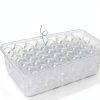
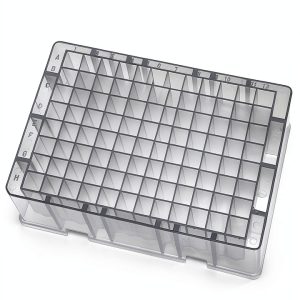
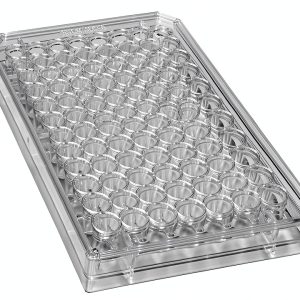
The PEKYBIO 2.0 mL Deep Well Plate is engineered for laboratories that demand reliable, high‑capacity storage and processing of liquid samples. Each of the 96 wells is shaped with a U‑bottom geometry, which promotes thorough mixing and minimizes residual volume after pipetting. Constructed from virgin polypropylene, the plate offers excellent chemical resistance, allowing use with a broad range of reagents, solvents, and buffers without risk of degradation. The material also endures repeated autoclave cycles up to 121 °C, ensuring sterility for sensitive applications, while maintaining structural integrity at ultra‑low temperatures down to –80 °C for long‑term storage. The plate dimensions (8.3 × 5.9 × 3.5 inches) and lightweight design (1.05 lb) make it easy to handle and integrate into standard laboratory equipment, including 8‑ and 12‑channel pipettes, robotic liquid handlers, and plate readers. Its alphanumeric markings on the side of each well provide clear sample identification, reducing the chance of errors during high‑throughput workflows.
![[Product front view showing all components]](https://www.advora.store/wp-content/uploads/2026/07/411862823fba4b6785501c924bd4d83f.jpg)
Usage
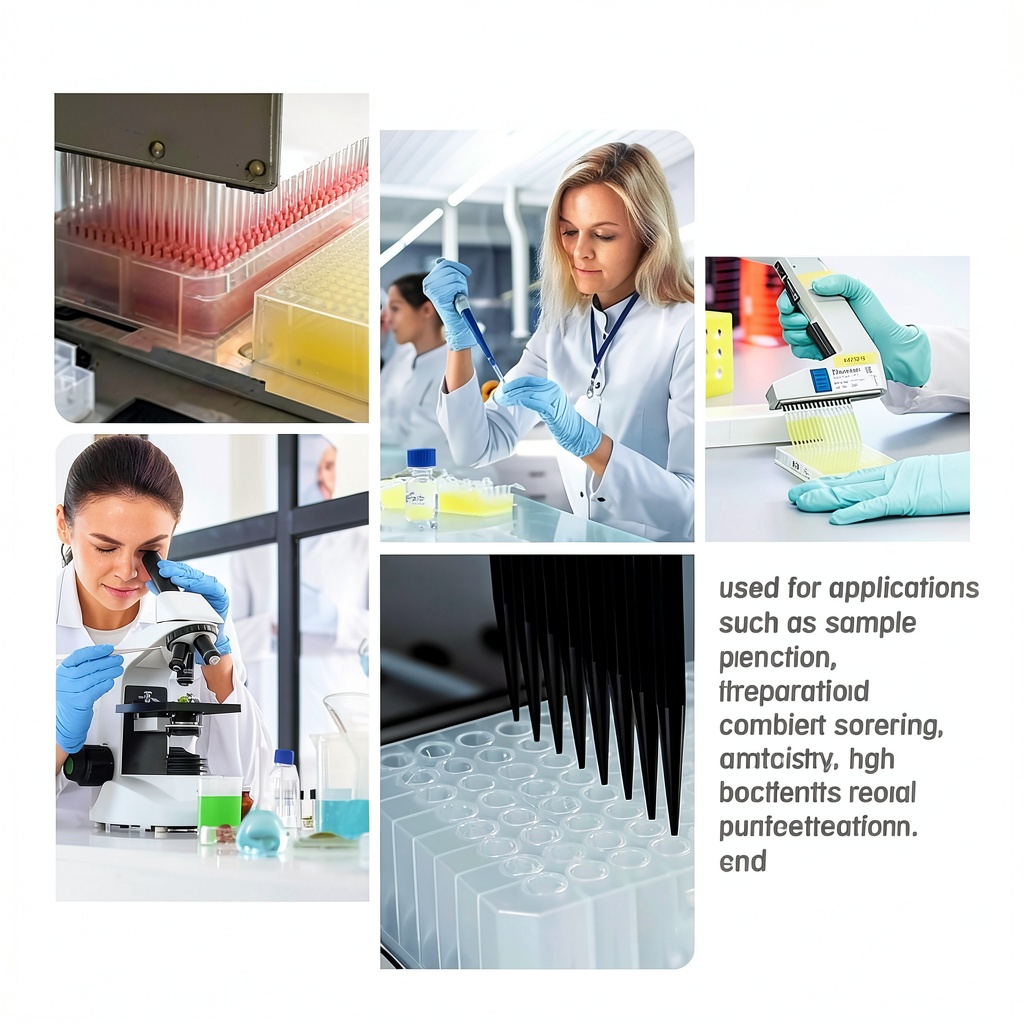
Designed for a wide spectrum of scientific disciplines, this deep well plate excels in molecular biology protocols such as PCR, qPCR, and next‑generation sequencing library preparation, where precise volume handling and thorough mixing are critical. The 2.0 mL well capacity accommodates larger reaction volumes, making it suitable for enzyme assays, protein purification steps, and cell culture applications that require more than standard 0.2 mL wells. Researchers performing high‑throughput screening can leverage the plate’s compatibility with automated liquid handling systems, enabling rapid dispensing of reagents across the entire plate with minimal dead volume. The robust polypropylene construction also supports harsh chemical environments, allowing use with strong acids, bases, and organic solvents commonly encountered in synthetic chemistry and analytical testing. Additionally, the plate’s ability to withstand –80 °C storage makes it an excellent choice for preserving sensitive biological samples, such as RNA, DNA, and protein extracts, over extended periods.
Why Choose Us
PEKYBIO is committed to delivering laboratory consumables that meet stringent quality standards. Each deep well plate undergoes rigorous inspection for dimensional accuracy, well uniformity, and surface finish to guarantee consistent performance across batches. The use of virgin polypropylene eliminates the risk of leachables that could interfere with downstream analytical results, a concern often associated with recycled plastics. Our manufacturing process includes controlled extrusion and molding techniques that produce a smooth, non‑porous well surface, reducing sample adhesion and facilitating complete recovery of liquids. The plates are supplied in a non‑sterile state, allowing laboratories to sterilize them according to their specific protocols, thereby providing flexibility and cost‑effectiveness. PEKYBIO also offers responsive technical support and a clear return policy, ensuring that customers receive assistance promptly should any issues arise.
Key Features
- 96 U‑bottom wells with 2.0 mL capacity for efficient mixing and reduced residue
- Made from virgin polypropylene for superior chemical resistance and durability
- Compatible with 8‑ and 12‑channel pipettes and automated liquid handling platforms
- Autoclavable up to 121 °C and stable at –80 °C for long‑term sample storage
- Dedicated customer support and hassle‑free return policy for peace of mind
FAQ
Can the plate be used with standard plate readers?
Yes, the PEKYBIO deep well plate conforms to the SBS footprint, allowing it to be read on most standard plate readers without the need for adapters.
Is the polypropylene material compatible with organic solvents?
The virgin polypropylene construction is resistant to a wide range of organic solvents, including ethanol, methanol, and dimethyl sulfoxide, making it suitable for many chemical assays.
What is the maximum temperature for autoclaving?
The plate can be safely autoclaved at temperatures up to 121 °C for typical sterilization cycles without deformation or loss of performance.
How should the plate be stored for long‑term preservation of biological samples?
For long‑term storage, keep the plate at –80 °C. The material remains stable at this temperature, ensuring sample integrity over extended periods.
Are the alphanumeric markings permanent?
Yes, the markings are laser‑etched onto the plate surface, providing durable, legible identification that resists wear from repeated handling and cleaning.

 Golden Dawn Engineering Matrix Handbook Print Replica 177‑Page
 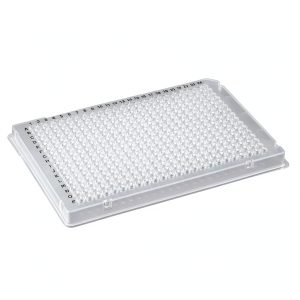 Globe Scientific PCR-384-ABI 384-Well Clear Plate – Ultra-Thin Wall
Reviews
There are no reviews yet.